The initiative in partnership with Rescue South Africa, the Missionvale Care Centre and ATA International, was facilitated by the University’s Emergency Medical Care (EMC) team and sponsorship by Standard Bank.
The programme on the University’s Missionvale Campus covered First Aid Level 1, water safety and community development, enabling participants to respond effectively to emergencies and help save lives.
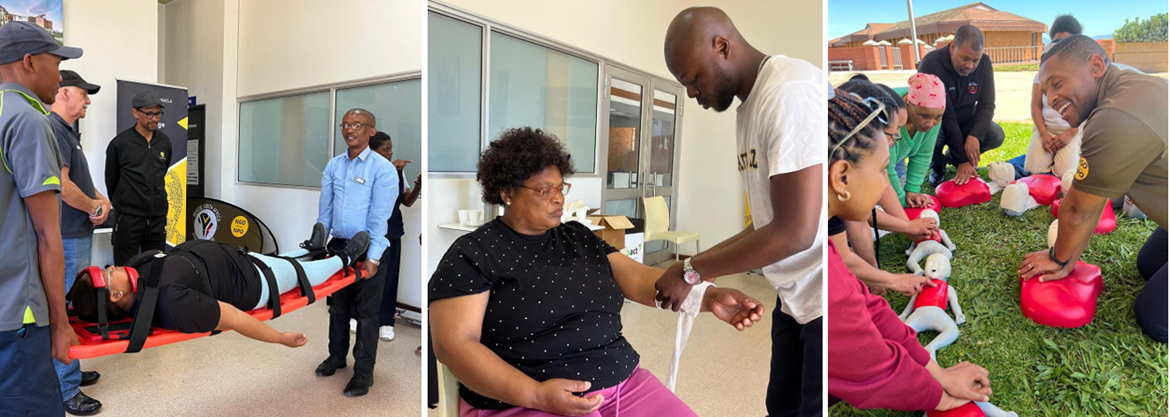
The participants were assessed on essential first aid skills, including cardiopulmonary resuscitation (CPR) for infants, children and adults, shock management, wound care, splinting, fracture management and the use of a spinal board.
Welcoming the participants to the University’s Missionvale Campus, Sharon Masiza, Senior Director for the Missionvale, Second Avenue and Bird Street campuses, emphasised the importance of practical emergency response training.
“This is one of the most important training programmes one can undertake because, most importantly, it saves lives,” she said.
“Many lives have been lost because there was no one nearby with first aid knowledge. Some of those lives could have been saved,” she added.
Yonwaba Sipiliti, a Clinical Assistant in the University’s Emergency Medical Care Department and one of the programme’s facilitators, said the training addresses the need for communities to prepare for emergencies and disasters, particularly in Nelson Mandela Bay, where low-lying areas are vulnerable to flooding.
“Combining first aid with water safety equips community members with the knowledge and skills to respond appropriately and reduce the risk of further harm,” said Sipiliti.
He emphasised the importance of understanding the correct procedures to follow during disasters to minimise injuries, loss of life and damage.
“More communities and schools need to receive this type of training so that people are better prepared to respond when emergencies occur,” he said.
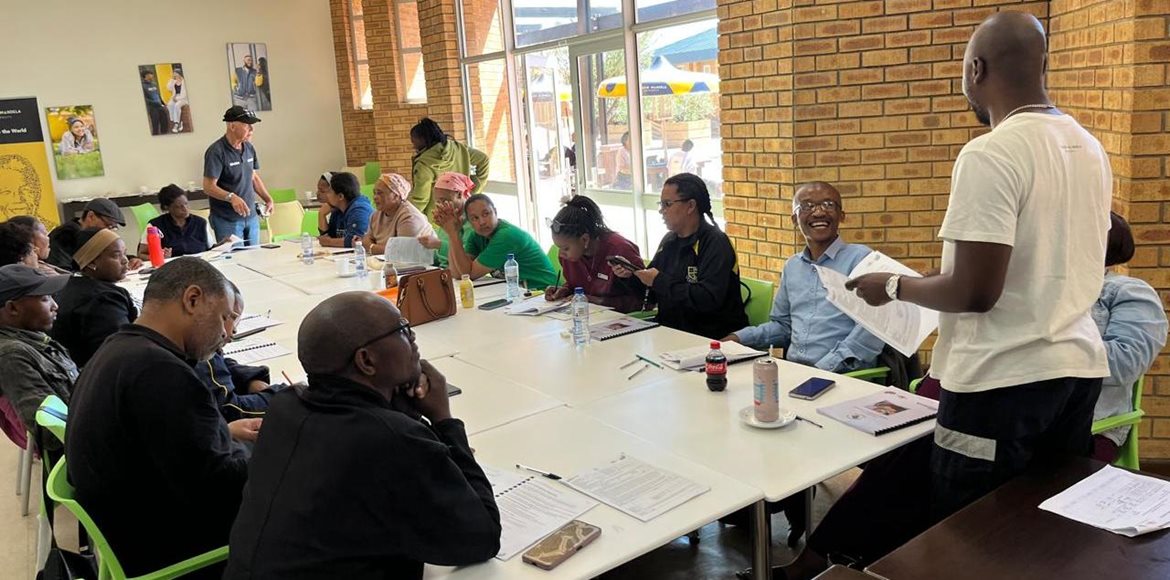
Hosting the programme at Missionvale Campus reflects the University’s dedication to extend its resources and expertise to the surrounding communities, in keeping with its vision of being “in service to society.”
The initiative also reinforces the University’s commitment to skills development and building safer, more resilient communities.
The programme will continue, with the second cohort expected to begin in early 2027. Participants will receive certificates upon completion.